




Building a transient house in the city can be a profitable and rewarding investment, especially in areas with high tourist traffic, business travelers, and short-term renters. However, simply constructing a property is not enough. To stand out in a competitive urban market, a transient house must feel welcoming, comfortable, and adaptable to different types of guests. From solo travelers and families to business professionals, each visitor brings unique expectations.
Creating a space that balances functionality, aesthetics, and convenience is essential. Urban guests often prioritize accessibility, safety, cleanliness, and modern amenities. A thoughtfully designed transient house can enhance guest satisfaction, encourage positive reviews, and increase repeat bookings. By focusing on smart layout planning, cozy interiors, practical amenities, and personalized touches, property owners can transform a simple rental unit into a warm and inviting urban retreat that appeals to a wide range of visitors.
Strategic Location and Accessibility
Location is one of the most critical factors in building a successful transient house. Urban guests often look for properties near business districts, transportation hubs, tourist attractions, and dining areas. Easy access to public transportation significantly enhances convenience.
Clear signage and straightforward entry instructions reduce stress for arriving guests. Secure parking options, if available, add extra value in city environments.
Within competitive urban transient property development and short-term rental design strategies, accessibility plays a key role in guest satisfaction. Proximity to essential services such as grocery stores and pharmacies further increases appeal.
Choosing a location that balances activity with comfort ensures guests enjoy both convenience and relaxation.
Designing a Comfortable and Flexible Interior
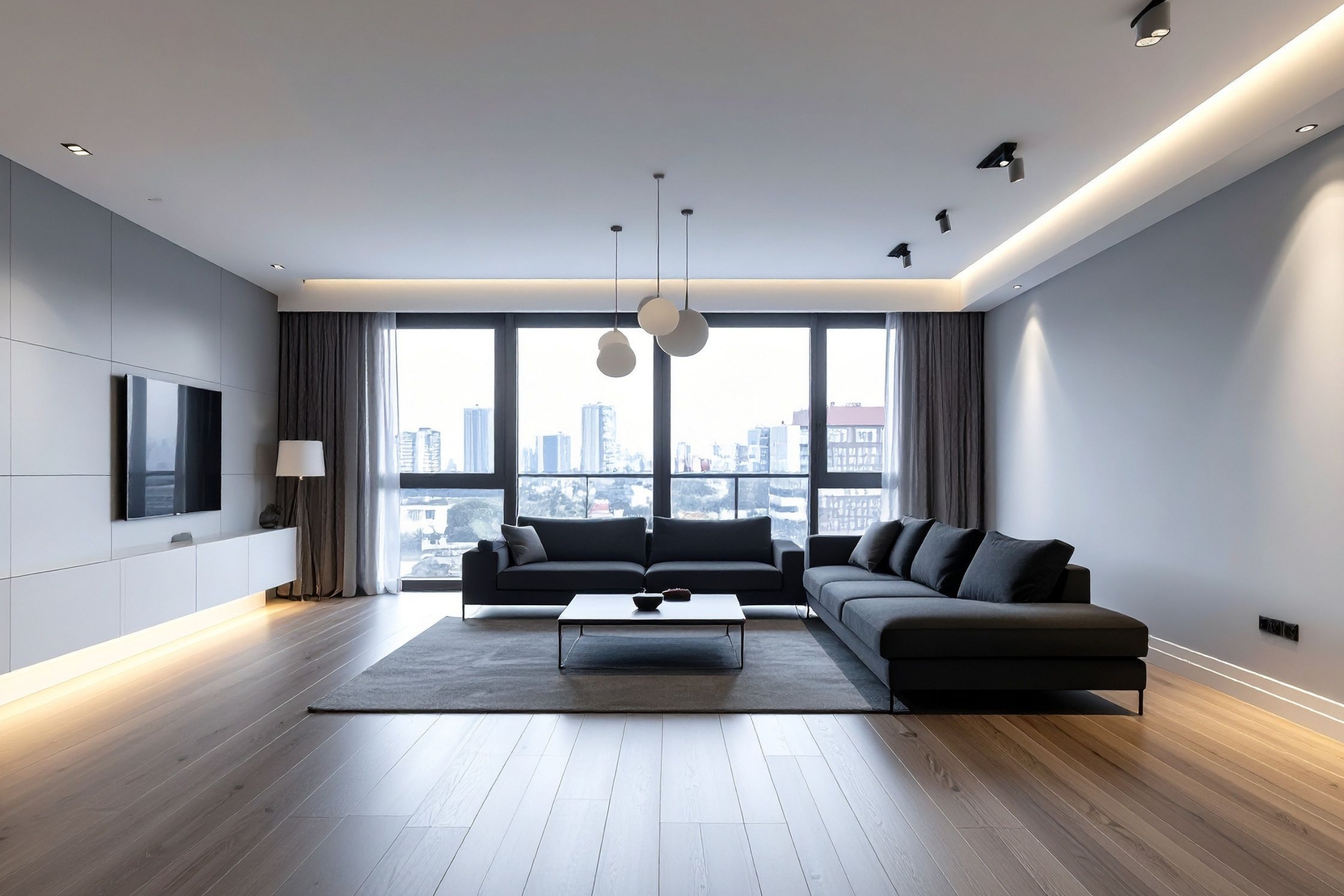
Interior design should cater to various guest types. Neutral color palettes create a calm and universally appealing atmosphere. Comfortable beds with high-quality linens enhance sleep quality, which is often a top priority for travelers.
Flexible furniture arrangements—such as sofa beds or foldable tables—accommodate solo travelers, couples, or small families. Adequate lighting, including bedside lamps and workspace lighting, improves functionality.
In practical modern home styling and guest-friendly interior planning solutions, simplicity and versatility are key. Clutter-free spaces promote relaxation and make cleaning easier between bookings.
Thoughtful layout planning ensures the property feels spacious and welcoming rather than cramped.
Providing Essential Amenities
Guests expect certain conveniences in a transient house. Reliable Wi-Fi, air conditioning, clean towels, toiletries, and kitchen basics are essential. Including a small workspace supports business travelers.
Safety features such as smoke detectors, secure locks, and emergency contact information provide peace of mind. Offering clear house rules and user-friendly appliances simplifies the stay.
Additional touches like complimentary coffee, bottled water, or local guides elevate the experience. These small gestures often influence guest reviews.
Ensuring functionality and convenience creates a comfortable environment for short-term stays.
Prioritizing Cleanliness and Maintenance
Cleanliness is one of the most important factors influencing guest satisfaction. Regular deep cleaning, fresh linens, and spotless bathrooms create positive first impressions.
Routine maintenance checks prevent issues such as plumbing leaks or faulty appliances. Addressing minor repairs promptly avoids negative feedback.
Professional cleaning services may help maintain consistent standards, especially in high-traffic urban areas.
A clean and well-maintained property reflects professionalism and care.
Adding Personal and Local Touches
Personal touches help transient houses stand out. Incorporating subtle local décor elements connects guests to the city’s character. Framed city maps or artwork add personality.
Providing recommendations for nearby restaurants and attractions enhances the guest experience. A welcome note expressing appreciation adds warmth.
Within thoughtful urban hospitality and home-based accommodation enhancement ideas, personalization fosters memorable stays. Guests who feel valued are more likely to leave positive reviews.
Balancing professionalism with warmth creates a home-like atmosphere in an urban setting.
Conclusion
Building a welcoming transient house in the city requires more than providing temporary lodging. Strategic location, flexible interior design, essential amenities, cleanliness, and personalized touches all contribute to a positive guest experience. Urban travelers seek comfort, convenience, and safety, and meeting these expectations ensures higher satisfaction and repeat bookings. Thoughtful planning and consistent maintenance transform a simple rental property into a reliable and inviting retreat. By focusing on both functionality and hospitality, property owners can create spaces that accommodate a wide range of guests—from solo adventurers to families and business professionals. Investing in comfort and attention to detail not only improves guest reviews but also strengthens long-term profitability. Ultimately, a well-designed transient house combines practicality with warmth, offering visitors a welcoming space they can confidently call home during their stay in the city.